
Our History
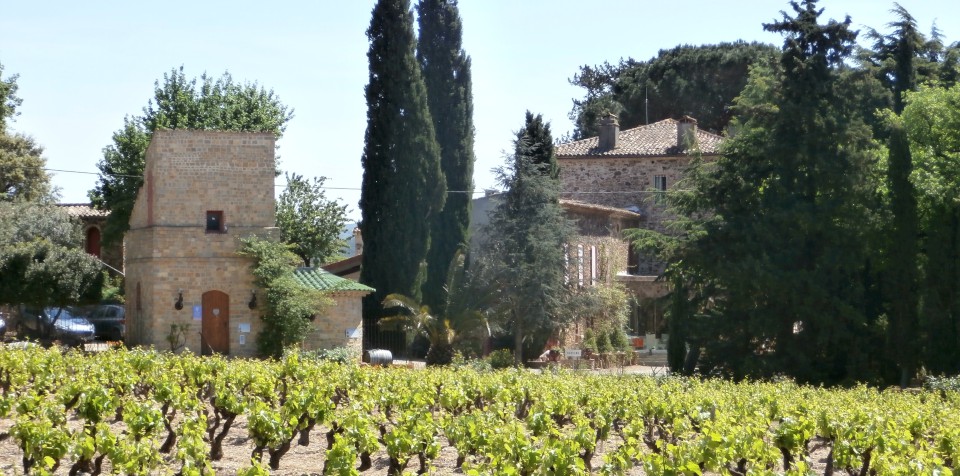
The Gulf of Saint-Tropez abounds in quality products whose subtle flavours contribute to the reputation of its cuisine and its wines. The land of the Gulf of Saint-Tropez is generous. Soaked in sunshine and cooled by the winds, our vineyards produce wines of distinct character that all share one quality: elegance.
A Templar Commandery
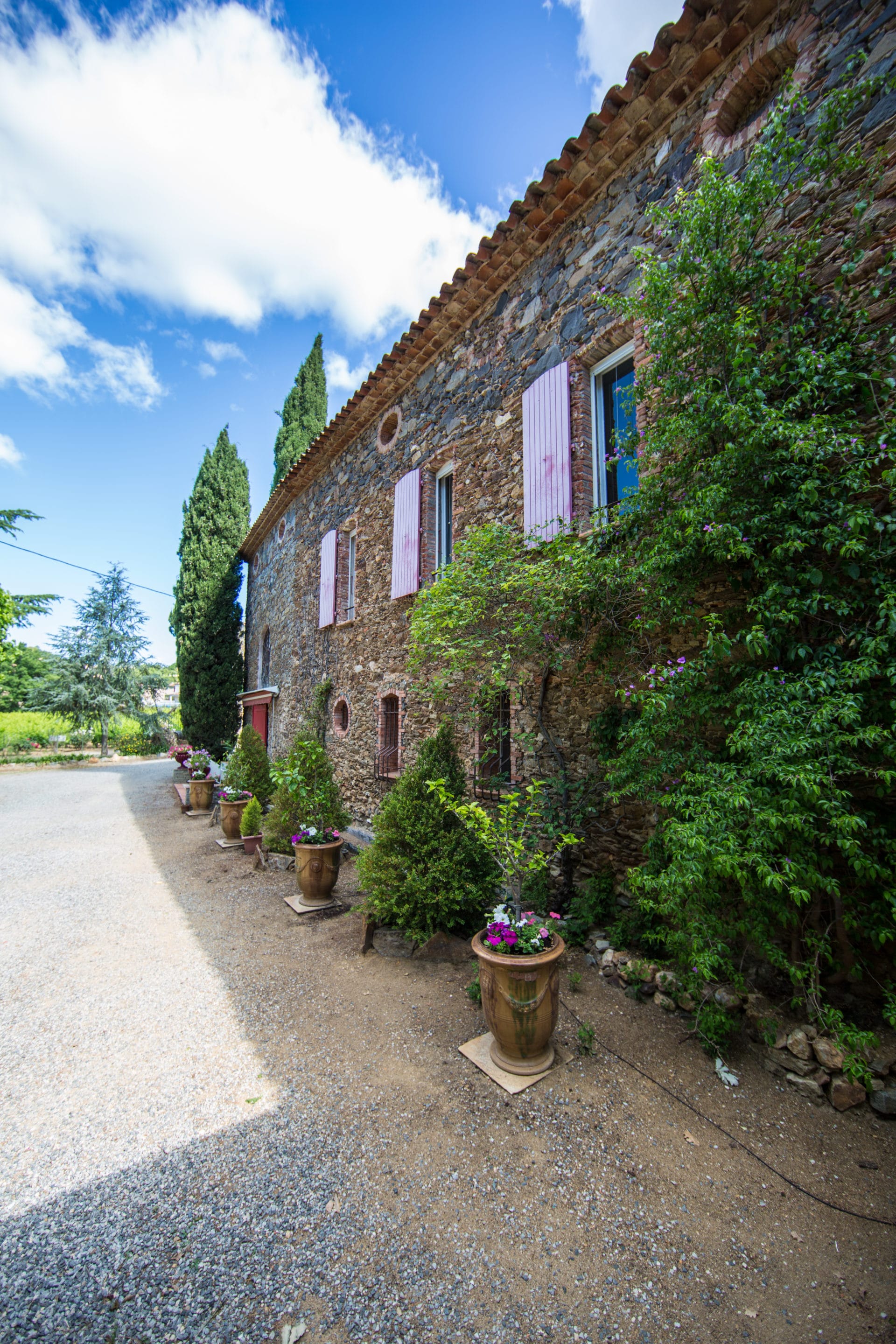
Eight hundred years ago, in the heart of the Maures massif, less than two leagues from the deep Gulf of Saint-Tropez, on a hillside overlooking the Môle valley, the Knights Templar built a commandery. It survived the destruction of the Order of the Temple by Philip the Fair, and eventually became Château de Trémouriès. Standing at the entrance to Cogolin, the château is one of the oldest buildings in the village. From its glorious past it has kept a Templar emblem: the cross found by the owners, which has become the estate's logo.
From Wheat to Vine
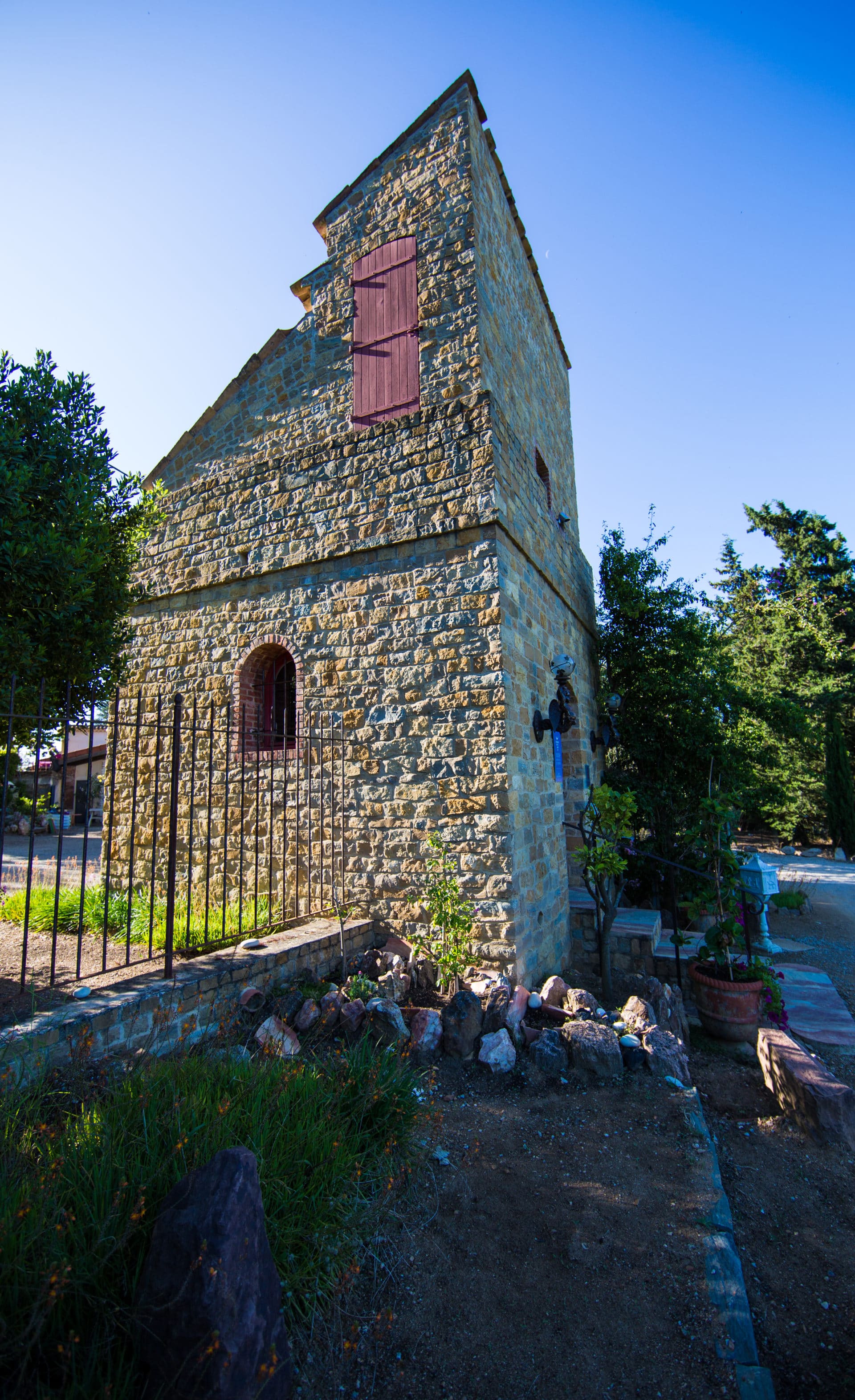
Flanked by one of the few windmills still standing, it was first surrounded by the meagre cereal crops of an arid Provence. The vines came later, a true return to the roots in this coastal region where the vineyards of Roman Gaul had developed very early on.
Wine and Silk
After a silkworm nursery was added, the château was also devoted to raising silkworms, fed on mulberry leaves, hence the name Château des Trois Mûriers (Castle of the Three Mulberry Trees), or Casteou di Trémouriès. The mulberry trees are still there today.
A Military Stronghold
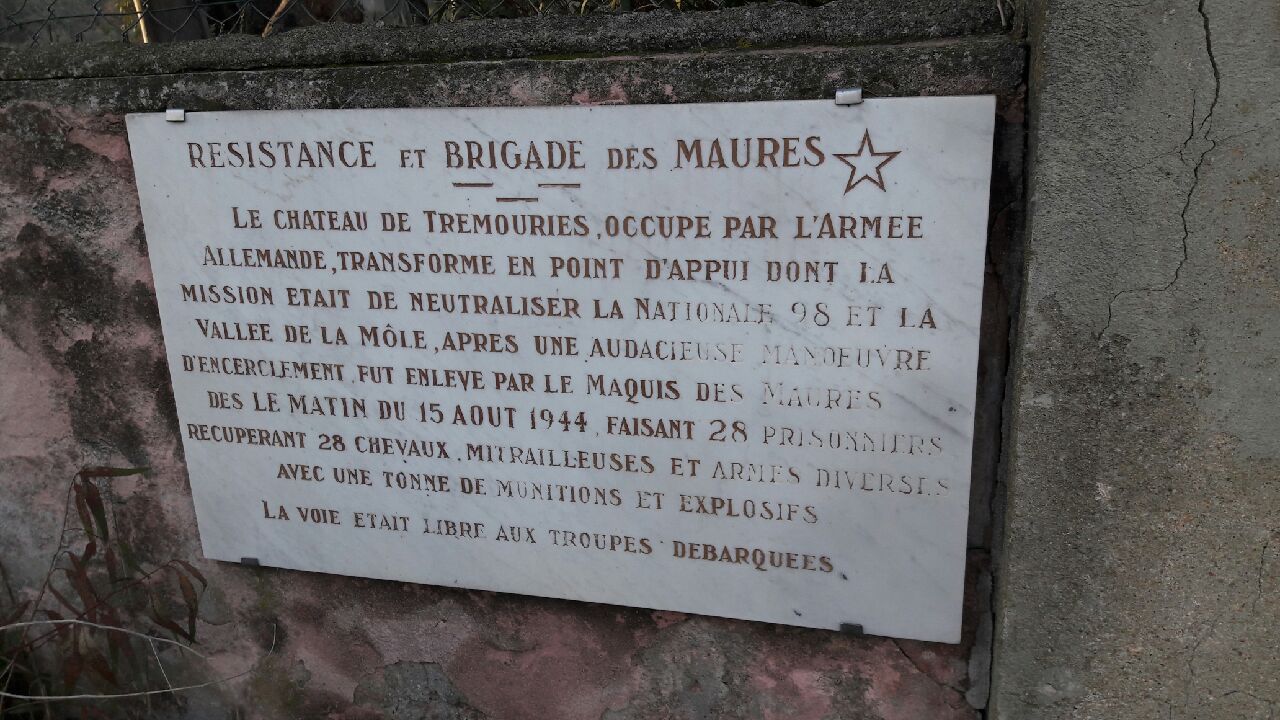
During the Second World War, Château de Trémouriès was requisitioned by the occupying forces and served as a Kommandantur. Having become a military objective, the château was stormed by the Allied forces, who retook it on 15 August 1944. This short but fierce battle is commemorated by a plaque at the château's south entrance.
Back to the Roots
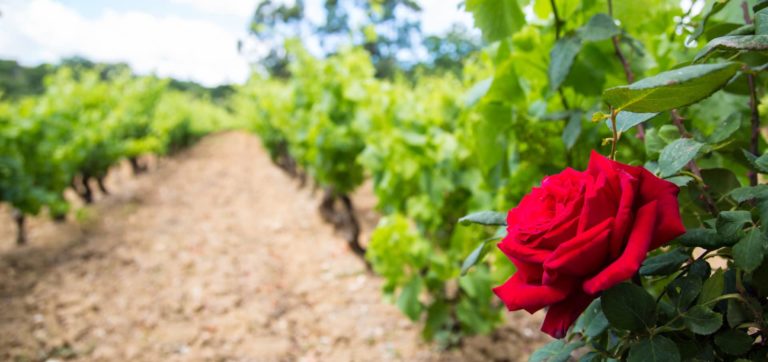
After a meticulous ten-year architectural restoration, Château de Trémouriès is now devoted to growing vines and olive trees, and to the constant improvement of its quality AOP wines: rosés, whites, and reds aged in oak barrels.